How to Write an RFQ That Gets Accurate Quotes, Fast
A vague enquiry gets a vague price. Use this checklist to write a request for quotation that suppliers can answer quickly and accurately.
A flange is only as good as its match: pressure class, facing, material, gasket and bolting have to agree. Here is how to get it right.

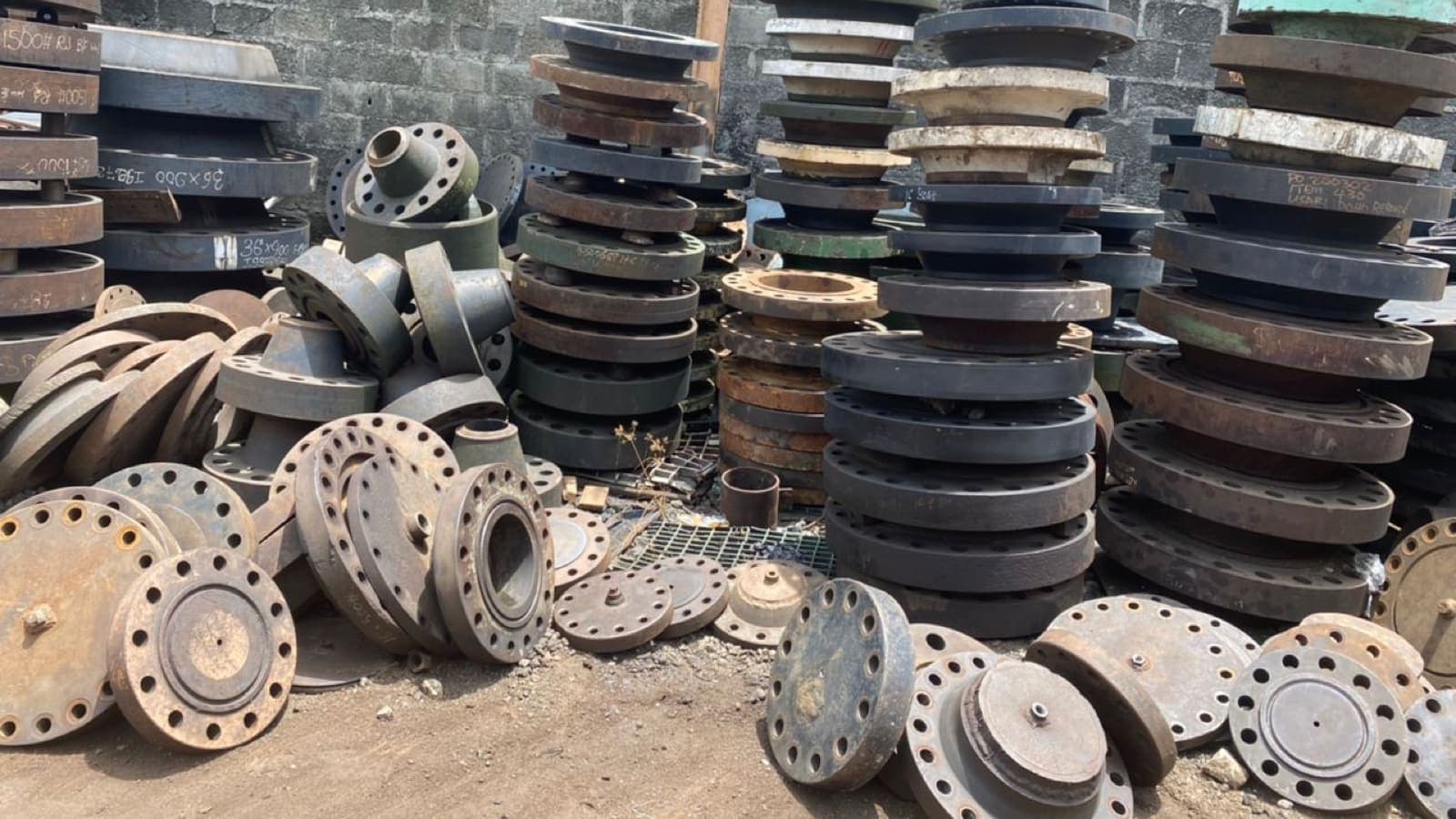
Flanges and fittings join pipes, valves and equipment. Most problems come from mismatches: a flange rated for the wrong pressure, a facing that does not suit the gasket, or a material that does not suit the fluid. A little checking up front avoids most of them.
Flanges are rated by class: 150, 300, 600, 900, 1500 and 2500 are the common ones in ASME B16.5, which covers sizes up to NPS 24. Larger sizes are covered by ASME B16.47. The actual pressure a flange can take depends on both its class and the temperature and material group, so always check the pressure-temperature tables rather than assuming a Class 300 flange handles a fixed pressure.
Weld neck (WN). The usual choice for high-pressure, high-temperature and cyclic service. Strong and easy to inspect.
Slip-on (SO). Lower cost and easier to align; used in lower-pressure service.
Socket weld (SW). For small-bore lines.
Threaded. For small lines where welding is not wanted.
Blind. Closes the end of a line or a nozzle.
Lap joint. Used with a stub end where frequent dismantling is expected.
The facing must suit the gasket. Raised face (RF) is common. Ring-type joint (RTJ) uses a metal ring in a groove for high-pressure service. Flat face (FF) is used when mating with cast equipment. Bolting and gasket should be chosen along with the flange, not afterwards.
Carbon steel forgings such as ASTM A105 are widely used for general hydrocarbon service. Stainless and alloy grades are used for corrosive or low-temperature duty. For sour (H2S) service, material and hardness requirements are set by NACE MR0175 / ISO 15156, so state it in your enquiry.
Elbows, tees, reducers and caps in butt-weld form are covered by ASME B16.9. Forged socket-weld and threaded fittings for small bore are covered by ASME B16.11. Match schedule and material to the pipe so wall thickness and weld preparation line up.
Size, class and type
Facing and gasket
Material grade and any sour-service requirement
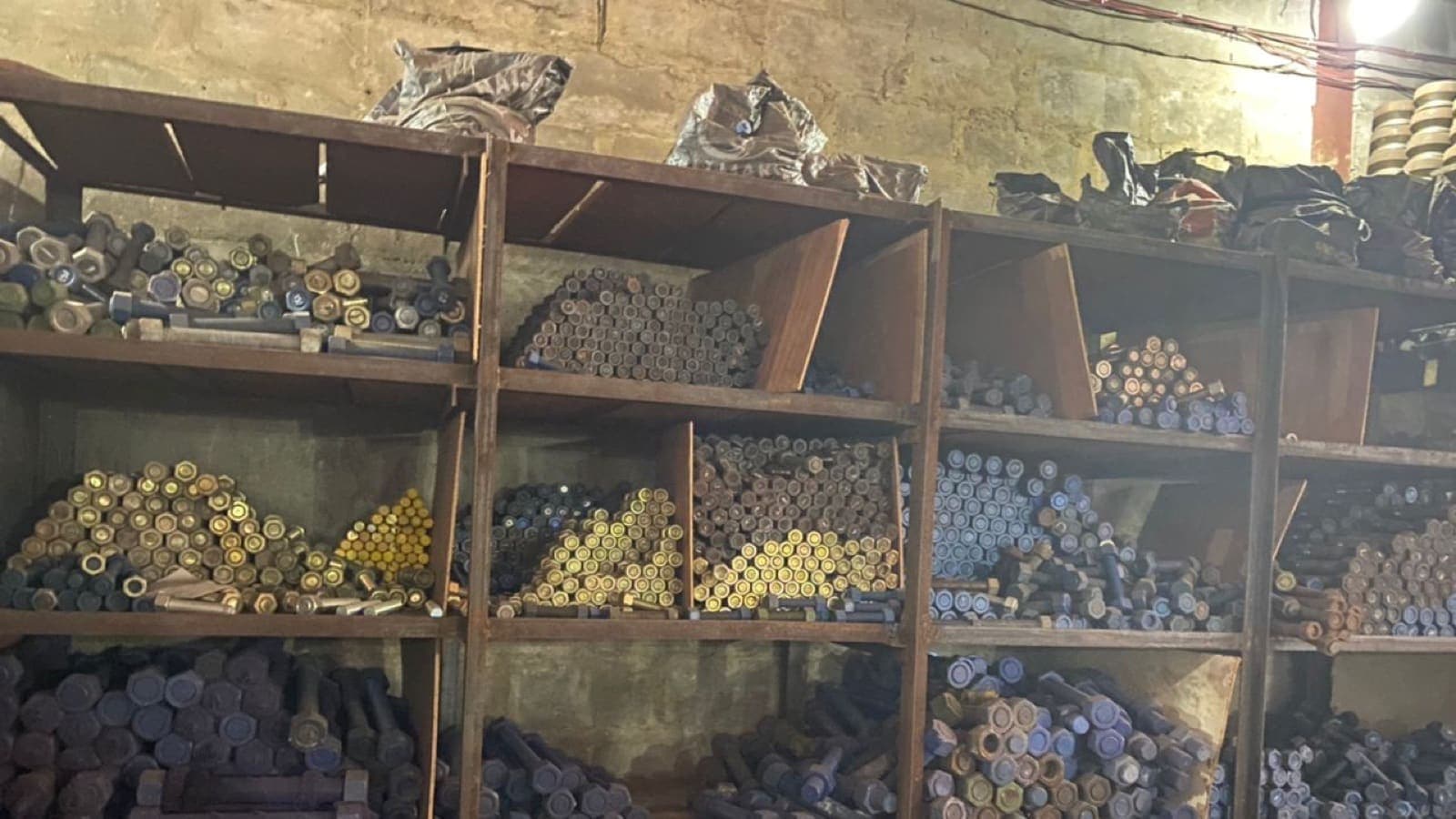
Bolting material
Pipe schedule (for weld-end items)
Standard and documentation required
We supply fittings and flanges, pipes, valves and steel plates and structural materials. Request a quote with your item list.
A vague enquiry gets a vague price. Use this checklist to write a request for quotation that suppliers can answer quickly and accurately.
Triple-offset butterfly valves seal bubble-tight in metal-seated designs without the seat rubbing of older types. Here is how they work and where they fit.
Buying from a manufacturer that is not on your client's list can mean rejected materials and delays. Here is what an AML is and how to work with it.
Tell us what you need. Our team will come back with pricing, availability and lead times.
0 Comments
Loading comments…